Piracetam
In brief
- In our pharmacy, you can buy piracetam without a prescription, with delivery in 9–21 days throughout Australia. Discreet and anonymous packaging.
- Piracetam is used for cognitive disorders, cortical myoclonus, dyslexia, vertigo and some haematologic indications (e.g. sickle cell anaemia). It is a racetam-class nootropic that modulates neuronal membrane properties and neurotransmission (influencing glutamatergic and cholinergic systems, cerebral blood flow and membrane fluidity), although its exact mechanism is not fully understood.
- The usual dose for adults is typically in the range of 1.2–4.8 g per day given in divided doses (for example 400–800 mg two to three times daily); specific indications may require different dosing and intravenous regimens are used in acute settings under medical supervision.
- Forms of administration include oral film-coated tablets and capsules, oral solution (e.g. 1 g/5 ml) and injection/IV infusion (ampoules), with choice depending on patient needs and clinical situation.
- Onset time: oral cognitive effects usually develop over days to weeks of regular use; intravenous administration may produce effects within minutes to hours in acute indications.
- Duration of action: plasma half-life is about 4–5 hours, so effects are relatively short-lived per dose, but clinical benefits are maintained with continued regular dosing.
- Alcohol warning: avoid or limit alcohol while taking piracetam, as alcohol may reduce therapeutic benefit and increase the risk of adverse effects.
- The most common side effect is headache; other frequent reactions can include nervousness, agitation, insomnia and gastrointestinal upset.
- Would you like to try piracetam without a prescription?
Basic Piracetam Information
- INN (International Nonproprietary Name): Piracetam (Latin: Piracetamum; sometimes styled PIRACETAM)
- Brand Names Available In Australia: not specified
- ATC Code: N06BX03
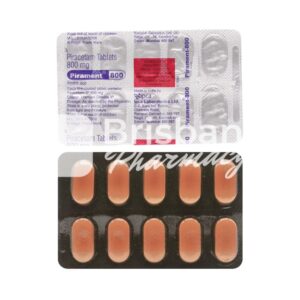
- Forms & Dosages: Tablets 400 mg, 800 mg, 1200 mg; capsules 400 mg; oral solution commonly 1 g/5 ml; injection/IV (e.g. 3 g ampoules, 33% solutions)
- Manufacturers In Australia: not specified
- Registration Status In Australia: not specified
- OTC / Rx Classification: Prescription-only in many European countries; not approved as a drug in the United States
Safety, Warnings And Patient Protection (Australia)
Patients often ask whether piracetam is safe and legal in Australia before considering it. Before any discussion about piracetam, confirm current Therapeutic Goods Administration (TGA) status and consult a GP or pharmacist. Treat piracetam as a prescription medicine in many jurisdictions internationally and note it is not approved in the United States. Do not self-prescribe, import without proper approvals, or rely on unverified online suppliers. Stop treatment and seek medical advice for signs of severe allergic reaction, sudden neurological change, unexplained bruising or bleeding, or acute renal problems. Prescribers should document the indication, baseline renal function and any concurrent anticoagulant use. Community pharmacists must verify prescriber authority and provide safe storage and dispensing instructions. Use a checklist at dispensing to confirm counselling, leaflet provision and emergency contacts. Report adverse events to the TGA via the Adverse Event Reporting System. Offer printed or emailable patient information leaflets and interpreter services for older adults and carers as needed.
High-Risk Groups, Pregnancy, Breastfeeding And Chronic Illness
Screening before prescribing reduces avoidable harm when considering piracetam. High-risk groups include the elderly, pregnant or breastfeeding people, children, those with chronic kidney disease, liver impairment, bleeding disorders, epilepsy and severe cardiovascular disease. There is limited high-quality safety data in pregnancy and breastfeeding, so avoid unless a clinician judges benefits outweigh risks and documents informed consent. Piracetam is renally excreted, so dose adjustment or avoidance may be necessary in renal impairment. Check baseline eGFR and arrange ongoing monitoring when therapy is started. Clinical reports suggest possible haemostatic interactions, so monitor people with bleeding risk or on anticoagulants for haemorrhagic complications. For epilepsy or cortical myoclonus, specialist oversight is essential for dose titration and monitoring. Screening items to complete before starting: pregnancy test, renal panel, current medication list, and bleeding history. Risk categories and recommended actions: elderly — review renal function and frailty; pregnancy/breastfeeding — avoid unless essential; renal impairment — adjust dose or avoid.
Driving, Workplace Safety And Activity Interactions
Many patients want to know if piracetam affects driving or safety-critical work. Piracetam can cause dizziness, somnolence or ataxia in some people, so advise avoiding driving, operating heavy machinery or high-risk tasks until response is known and stable. This advice is particularly important under Australian workplace safety regulations and in industries with zero-tolerance impairment policies. Alcohol can worsen central nervous system effects and should be minimised while starting or changing dose. For shift workers and safety-critical roles, consider medical clearance and written advice from the prescriber. Provide simple signed patient advice cards for workplace supervisors if requested. Employers and employees should follow Safe Work Australia guidance and notify occupational health when necessary. Use this quick fit-to-work checklist at counselling: new symptoms, recent dose changes, alcohol use, and impaired coordination. Offer to communicate with the prescriber about job-specific safety advice. Document workplace counselling in the patient record.
Q&A
Q: Can I Drive After Taking It In Australia?
No firm guarantee — do not drive until you know how piracetam affects you.
If you experience dizziness, drowsiness, impaired coordination or vision changes, do not drive and seek GP or specialist advice.
Legal Status, TGA Pathways And Prescribing In Australia
Clinicians must verify current TGA registration status before prescribing piracetam for any indication. If piracetam is not TGA-registered for the intended indication, consider TGA Special Access Scheme (SAS), Authorised Prescriber pathways, or prescribing approved alternatives. Unapproved imports must be managed through lawful TGA mechanisms and patients counselled about quality risks. E-prescriptions and telehealth are commonly used, but ensure identity verification and supply via licensed Australian pharmacies. When using unapproved medicines, document informed consent and advise patients that PBS subsidies generally do not apply. Ensure prescriptions are dispensed by a licensed community pharmacy and confirm supply chains for imported products. Below is a simple comparison of standard TGA pathways to help clinicians choose the correct route.
| Pathway | When To Use | Notes For Prescriber |
|---|---|---|
| Registered Product | If a TGA-registered piracetam product exists for the indication | Prescribe as standard S4; check product label and PBS status |
| Special Access Scheme (SAS) | Individual unapproved use where benefit justifies risk | Notify TGA and document clinical rationale and consent |
| Authorised Prescriber | Ongoing prescribing for groups of patients | Requires authorisation; document indication and monitoring |
Access, Cost And Where To Buy (Pharmacy & Online)
Patients frequently ask where to buy piracetam and how much it costs in Australia. If a registered piracetam product is available locally, supply will be by prescription at community pharmacies including major chains and independents. If not registered, access may be via SAS or authorised import and supply often comes through hospital pharmacies or nominated community pharmacies. Unapproved or imported medicines are typically not PBS-subsidised and can be costly out-of-pocket. Compare prices at major chains and reputable Australian online pharmacies and avoid international vendors with unclear quality control. In our online pharmacy, piracetam is available without a prescription, with discreet delivery to Australia in 9-21 days. Use the access checklist before ordering: valid prescription or TGA pathway, documented consent, pharmacy stock confirmation and shipping arrangements. Ask the pharmacist for a written cost estimate and Therapeutic Goods Information before proceeding.
| Pharmacy / Source | Prescription Requirement | PBS Subsidy Status | Typical Price Range | Supply Time |
|---|---|---|---|---|
| Major Community Pharmacy Chain | Yes | Typically Not Listed | $50–$200 (varies by pack & import) | 3–14 days |
| Independent Pharmacy (nominated) | Yes | Typically Not Listed | $60–$220 | 5–21 days |
| Hospital Pharmacy (SAS supply) | By arrangement | Not Listed | Variable; often funded by hospital | Variable |
| International Online Vendor | May not require Australian prescription | Not Listed | Varies widely; quality risks | 9–21 days |
INN, Chemical Class, ATC Code And Basic Identification
Clinicians and patients need clear identification to avoid confusion between brand names. INN: Piracetam (Latin: Piracetamum), sometimes styled PIRACETAM. Chemical class: 2-oxo-1-pyrrolidine acetamide, the first racetam synthesised by UCB in the late 1960s. Therapeutic class: nootropic / psychoanaleptic used for cognitive and neuromuscular indications. ATC code: N06BX03, categorised under psychoanaleptics — other psychostimulants and nootropics. Common international synonyms and brands include Nootropil, Nootropyl, Lucetam and Memotal among many others. When substituting generics, clinicians should check the exact formulation and excipients on product labels. This clarity helps when arranging imports, approvals or discussing adverse effects and monitoring.
- INN: Piracetam
- Chemical Formula Class: 2-oxo-1-pyrrolidine acetamide
- ATC Code: N06BX03
- Common Synonyms / Brands: Nootropil, Lucetam, Memotal, Nootropyl
Indications: Licensed And Off-Label Uses Internationally
Patients commonly ask what piracetam is used for and whether evidence supports those uses. Piracetam is used mainly for cognitive disorders, cortical myoclonus, dyslexia, vertigo and some haematologic indications such as sickle cell anaemia. Licensing and approved indications vary across countries, particularly in many EU states where it remains prescription-only. Off-label uses reported include cognitive enhancement, post-stroke cognitive impairment and adjunctive neurology indications; these require specialist oversight and informed consent. Lack of approval in some jurisdictions, like the United States, does not equal proof of inefficacy and clinicians should evaluate evidence per indication. Licensed indications (examples): cortical myoclonus, certain cognitive disorders, vertigo and haematologic uses in specific countries. Common off-label uses: general nootropic use, post-stroke cognitive support and adjunctive therapy in neurology. Checklist for clinicians: evidence strength, alternative treatments, monitoring plan and documentation of rationale and follow-up measures.
Forms, Dosing Strengths, Common Regimens And Missed‑Dose Advice
Patients want to know which form of piracetam to use and what happens if they miss a dose. Available forms include tablets (400 mg, 800 mg, 1200 mg), capsules 400 mg, oral solution typically 1 g/5 ml and injectable IV formulations such as 3 g ampoules or 33% solutions. Typical regimens vary by indication and country and many therapeutic uses require gram-level dosing rather than milligram-level dosing. Dose adjustments are necessary in renal impairment because piracetam is renally excreted. Counselling should include administration times, adherence strategies and how to handle missed doses. For oral regimens, take missed doses as soon as remembered unless the next dose is imminent; do not double the dose. For high-dose or IV therapy, contact the prescriber or treating team for specific missed-dose instructions. A dosing table with common forms, strengths and example uses is shown below.
| Form | Typical Strength | Example Clinical Uses |
|---|---|---|
| Tablet | 400 mg, 800 mg, 1200 mg | Chronic cognitive disorders; maintenance oral therapy |
| Oral Solution | 1 g/5 ml | Pediatrics; dysphagia |
| Injection / IV | 3 g ampoules; 33% solutions | Acute ischemic stroke; severe cortical myoclonus in hospital |
Q&A
Q: What If I Miss A Dose?
Take the missed dose as soon as you remember unless the next dose is near, and do not double up.
For IV or high-dose regimens, contact the prescriber or treating team for guidance.
Pharmacology And Simplified Mechanism Of Action
People ask how piracetam works when the precise action is often unclear. Piracetam is a racetam-class nootropic that modulates neuronal function by affecting membrane fluidity, neurotransmitter systems and microcirculation. It is thought to influence cholinergic transmission, enhance neuroplasticity and improve cerebral blood flow in some contexts. These mechanisms are plausible but incompletely characterised, and clinical evidence varies by indication. Pharmacokinetics show piracetam is water-soluble and predominantly renally excreted, so renal function strongly influences clearance. Clinicians should anticipate dose-related effects and prioritise renal monitoring rather than blood-level assays. Pharmacodynamic actions include modulation of neuronal membranes, enhancement of synaptic function and microcirculatory improvement. PK checklist: good oral absorption, wide distribution, minimal hepatic metabolism and primary renal excretion with dose adjustment required in renal impairment.
- Pharmacodynamic Actions: Membrane modulation, cholinergic influence, improved microcirculation
- PK Considerations: Oral absorption, renal excretion, dose adjustment in renal impairment
Contraindications, Adverse Effects And Monitoring
Safety monitoring protects patients who may experience side effects or complications from piracetam. Absolute contraindications include known hypersensitivity to piracetam or excipients and severe renal impairment without appropriate dose adjustment. Use caution in active bleeding or haemorrhagic diathesis because of reported bleeding risks. Common adverse effects include nervousness, irritability, agitation, insomnia, headache, somnolence, dizziness and gastrointestinal upset. Rare but serious events can include severe allergic reactions, increased bleeding and worsening movement disorders or myoclonus in some contexts. Baseline and ongoing monitoring should include renal function, bleeding parameters when on anticoagulants, and neurological review for efficacy and tolerability. Stop the medicine and seek urgent assessment for severe skin reactions, anaphylaxis or new focal neurological deficits. Document contraindications and monitoring plans in the medical and pharmacy records.
- Contraindications: Hypersensitivity; severe renal impairment without dose adjustment
- Common Adverse Effects: Nervousness, insomnia, headache, dizziness, GI upset
Drug Interactions, Alcohol And Food Considerations
Interactions are an important counselling point, especially for older patients on multiple medicines. Piracetam may interact with anticoagulants and antiplatelet agents, potentially increasing bleeding risk; monitor INR/PT and clinical signs. Concurrent CNS depressants or alcohol can potentiate drowsiness, dizziness and ataxia, so caution is advised. Concomitant stimulants may alter neuropsychiatric effects and require closer monitoring. There are no major cytochrome P450 metabolism interactions widely reported, but always review polypharmacy in older adults. Food does not have specific restrictions, but alcohol and large caffeine intake can amplify agitation or insomnia. Provide an interaction chart to guide monitoring and counselling.
| Drug Class | Interaction Type | Clinical Impact | Monitoring Advice |
|---|---|---|---|
| Anticoagulants / Antiplatelets | Bleeding risk | Increased haemorrhagic events | Monitor INR/PT and watch for bruising/bleeding |
| CNS Depressants / Alcohol | Additive sedation | Increased drowsiness, impaired coordination | Avoid alcohol; caution with sedatives |
| Stimulants | Neuropsychiatric modulation | May increase agitation or insomnia | Monitor mental state and sleep |
Key Clinical Evidence And Guidelines (International)
Clinicians often want a short evidence summary to support prescribing decisions. Overall, clinical evidence for piracetam is mixed and varies by indication. Stronger evidence exists for cortical myoclonus and certain neurologic indications where benefit has been reported. Evidence for broad cognitive enhancement or dementia is inconsistent with heterogeneous trial results and methodological limitations. Some EU countries authorise piracetam for specific indications, reflecting variable regulatory views internationally. For stroke and dementia, systematic reviews show heterogeneous findings and do not provide universal support for routine use. Use this simple grading to guide decisions: stronger evidence for cortical myoclonus; weaker or inconclusive evidence for general cognitive enhancement. Consult up-to-date guidelines from neurology societies and Cochrane Reviews when considering off-label use. Australian clinicians should check local protocols or tertiary centre guidance before prescribing off-label.
- Stronger Evidence: Cortical myoclonus and selected neurologic uses
- Weaker / Inconclusive Evidence: Broad cognitive enhancement and many dementia indications
Alternatives And PBS‑Listed Options (Comparative Checklist)
Patients and prescribers should consider licensed, evidence-based alternatives when appropriate. For cognitive impairment and dementia, consider cholinesterase inhibitors or memantine, which are PBS-listed for eligible patients and supported by stronger evidence in many cases. For vertigo or dyslexia, use condition-specific therapies and specialist referral. For cortical myoclonus, anticonvulsants and other specialist treatments may be preferred. Below is a comparison table to help clinicians weigh options.
| Option | Indication | Evidence Strength | PBS Status |
|---|---|---|---|
| Piracetam | Cognitive disorders, myoclonus, vertigo | Variable; stronger for myoclonus | Typically Not Listed |
| Cholinesterase Inhibitors | Alzheimer Dementia | Stronger | PBS-Listed (with criteria) |
| Memantine | Moderate-Severe Dementia | Moderate | PBS-Listed (with criteria) |
- Pros/Cons Checklist: Efficacy evidence, safety profile, availability, cost and PBS subsidy
Storage, Handling And Pharmacy Cold‑Chain (Australian Climate)
Proper storage protects product integrity in Australia’s varied climates. Tablets, capsules and oral solutions should be stored according to the product label, generally in a cool, dry place away from direct sunlight and moisture. In hot or humid climates, keep medicines in air-conditioned storage or a controlled pharmacy fridge if the product label requires cooler temperatures. Injectable or IV preparations may require controlled storage and cold-chain handling — follow manufacturer directions. Pharmacies should verify batch integrity on receipt, label dispensing instructions and keep records for imported or unapproved batches. Household storage checklist: keep in original packaging, use child-resistant containers, avoid storing in cars or gloveboxes and monitor temperature during hot weather. Dispose of expired medicine via local pharmacy return programs.
| Formulation | Recommended Storage Temperature |
|---|---|
| Tablets / Capsules | Cool, dry place as per label (room temperature) |
| Oral Solution | Store as per label; protect from heat and freezing |
| Injection / IV | Follow manufacturer cold-chain requirements; may require refrigeration |
Counselling Checklist For Pharmacists And Follow‑Up Plan For Patients
Pharmacists need a practical checklist to ensure safe dispensing and ongoing care. Confirm indication and prescriber authority before supply and review contraindications, allergies, renal function and concurrent medicines. Counsel on common adverse effects, activity restrictions such as driving and workplace safety, and the missed-dose policy. Provide clear written information, emergency contact numbers and TGA adverse event reporting guidance. Offer to liaise with the prescriber for dose adjustments or clarifications. Schedule follow-up reviews for renal monitoring and clinical efficacy within weeks of initiation and then periodically. For long-term therapy, plan renal panels every 3–6 months depending on risk and use standardised cognition scales if monitoring cognitive effects. Document all counselling in the pharmacy record and encourage patients to report side effects promptly.
- Pharmacy Counselling Checklist: Verify prescription, review renal function, counsel on adverse effects, provide leaflet, schedule follow-up
- Follow-Up Plan: Renal function at baseline and every 3–6 months; clinical review for efficacy and adverse effects
Delivery Across Australia
| City | Region | Delivery Time |
|---|---|---|
| Sydney | New South Wales | 9-14 days |
| Melbourne | Victoria | 9-14 days |
| Brisbane | Queensland | 9-14 days |
| Perth | Western Australia | 9-14 days |
| Adelaide | South Australia | 9-14 days |
| Hobart | Tasmania | 9-14 days |
| Canberra | Australian Capital Territory | 9-14 days |
| Gold Coast | Queensland | 9-14 days |
| Newcastle | New South Wales | 9-14 days |
| Wollongong | New South Wales | 9-14 days |
| Sunshine Coast | Queensland | 14-21 days |
| Townsville | Queensland | 14-21 days |
| Geelong | Victoria | 14-21 days |
| Ballarat | Victoria | 14-21 days |