
Tetracycline
In brief
- In some pharmacies and online suppliers you can buy tetracycline without a prescription (particularly topical formulations and via certain vendors), but systemic oral or injectable forms are generally prescription‑only in Australia and availability varies by seller and jurisdiction.
- Tetracycline is a broad‑spectrum antibiotic used to treat respiratory and urinary tract infections, chlamydial infections, acne, trachoma and other bacterial infections; it is bacteriostatic and works by inhibiting the 30S bacterial ribosomal subunit to block protein synthesis.
- Usual adult dosages are 250–500 mg orally every 6 hours for many systemic infections, 250 mg twice daily for acne, and 250 mg daily for some prophylactic regimens (doses vary by indication and severity).
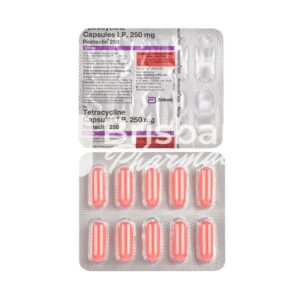
- Administration forms include oral tablets and capsules (100 mg, 250 mg, 500 mg), oral syrup, 3% topical ointment, 1% eye ointment, and less commonly powder/vial for injection.
- Onset: antibacterial activity begins once therapeutic blood levels are reached and symptomatic improvement is often seen within 24–72 hours, though some infections may take longer to respond.
- Duration of action: individual doses typically last about 6–12 hours (hence dosing commonly every 6–12 hours); treatment courses range from 7–14 days for acute infections and weeks to months for chronic conditions like acne.
- Avoid or minimise alcohol while taking tetracycline as alcohol can worsen gastrointestinal side effects and may increase strain on the liver.
- The most common side effect is gastrointestinal upset (nausea, vomiting, diarrhoea); other frequent effects include photosensitivity, rash and, in children, risk of permanent tooth discolouration.
- Would you like to try tetracycline without a prescription?
Critical Warnings & Restrictions
Basic Tetracycline Information
- INN (International Nonproprietary Name): Tetracycline
- Brand Names Available In Australia: Achromycin V; Sumycin; Tetraciclina; Tetracycline Actavis; Panmycin; Tetracyn; note that in Australia you may more commonly encounter generic tetracycline formulations rather than these exact brands and should check the TGA ARTG for local listings.
- ATC Code: J01AA07 (systemic tetracyclines); other ATC entries include A01AB13, D06AA04, S01AA09, S02AA08, S03AA02.
- Forms & Dosages: Tablets/capsules commonly 100 mg, 250 mg and 500 mg; oral syrup 125 mg/5 mL; topical ointment 3%; eye ointment 1%; less-common powder/vial forms 500 mg or 1 g.
- Manufacturers In Australia: Not specified.
- Registration Status In Australia: Not specified on a per-product basis; tetracycline is globally approved by major regulators but Australian availability and indications should be confirmed via the TGA ARTG.
- OTC / Rx Classification: Systemic forms are prescription-only (Rx); topical or ophthalmic preparations may be OTC or Rx depending on local law and product.
High-Risk Groups (Elderly, Pregnancy, Chronic Illness)
Pregnancy and Breastfeeding: Tetracycline is contraindicated in pregnancy and lactation due to risk of fetal and infant tooth discoloration and effects on bone development.
Children: Children under 8 years must not use tetracycline because of the risk of permanent tooth discolouration and enamel hypoplasia.
Known Hypersensitivity: Do not use tetracycline if there is a known allergy to tetracyclines.
Renal Or Severe Hepatic Impairment: Use with caution; dose adjustment or an alternative antibiotic should be considered in significant renal or liver dysfunction.
Expired Product Risk: Do not use expired tetracycline tablets or ointment; expired products have been associated with serious renal toxicity resembling Fanconi-like syndrome.
- Checklist — Seek Urgent Review If You Have Any Of:
- Severe diarrhoea or watery stools, especially with fever or blood in the stool.
- Jaundice, dark urine or severe abdominal pain indicating possible liver injury.
- Allergic reaction such as rash, swelling of face or throat, difficulty breathing.
- New or worsening oesophageal pain or difficulty swallowing after taking tablets.
- Blurred vision, severe headache or persistent dizziness suggesting raised intracranial pressure.
Interaction With Activities (Driving, Workplace Safety Under Australian Law)
Dizziness, vertigo and visual disturbance have been reported with tetracycline and related antibiotics.
If you feel drowsy, dizzy or have visual changes after taking tetracycline, do not drive or operate heavy machinery.
Australian road‑safety and workplace laws require fitness to drive and operate equipment, so avoid tasks that demand full alertness until you know how the medicine affects you.
Q&A — Can I Drive After Taking It In Australia?
Short answer: If you feel drowsy, dizzy, or have visual changes after taking tetracycline, do not drive.
Australian road‑safety laws require fitness to drive, and side effects can impair driving.
If in doubt, ask your pharmacist or GP for personalised advice before getting behind the wheel.
Usage Basics
INN, Brand Names Available (Australian Context)
INN: tetracycline.
Common international brands include Achromycin V, Sumycin, Tetraciclina, Tetracycline Actavis, Panmycin and Tetracyn, though Australian pharmacies more commonly stock generics or local brands.
Always check the TGA ARTG entry and the product information leaflet for the exact formulation supplied by the pharmacy.
Legal Classification (TGA‑Approved, PBS‑Listed)
Systemic tetracycline is prescription-only (Rx) in most territories.
Topical and ophthalmic products may be OTC or Rx depending on the product and state regulations.
- Steps To Confirm Legal Status:
- Check the TGA Australian Register of Therapeutic Goods (ARTG) for product registration.
- Consult the PBS website to confirm subsidy status for specific formulations.
- Speak to your local pharmacist to verify supply and prescription requirements.
| Form | Likely Legal Status |
|---|---|
| Tablet/Capsule (systemic) | Prescription-only (Rx) |
| Topical Ointment (3%) | OTC or Rx depending on product and local regulation |
| Eye Ointment (1%) | OTC or Rx depending on product and local regulation |
Pharmacy note: Major chains such as Chemist Warehouse, Priceline and TerryWhite Chemmart commonly verify prescriptions and provide counselling.
E‑prescriptions and telehealth scripts are widely accepted in Australia.
Dosing Guide
Standard Regimens (PBS Reference Dosing)
Typical adult systemic dosing is 250–500 mg orally every six hours for many infections.
For certain severe infections dosing may be 500 mg every six to twelve hours depending on the indication and clinical judgement.
For acne, systemic tetracycline is commonly given as 250 mg twice daily, while topical ointment is usually 3% strength.
Treatment duration examples include seven to fourteen days for most acute infections and weeks to months for acne or chronic dermatological conditions.
Specific regimens for chlamydial or sexual infections vary but commonly span seven to twenty-one days depending on infection and local guidelines.
Adjustments For Comorbidities
Children: Avoid in those under eight years unless life‑threatening; if used the usual dose is 25–50 mg/kg/day divided every six hours.
Elderly: Standard doses are usually used but monitor renal and hepatic function and adjust if required.
Renal or hepatic impairment: Use with caution; consider dose reduction or an alternative agent in significant organ dysfunction.
| Population | Recommended Dose | Notes |
|---|---|---|
| Adults (typical) | 250–500 mg every 6 hours | 7–14 days for acute infections; tailor to indication |
| Acne | 250 mg twice daily or topical 3% ointment | Weeks to months with regular review |
| Children <8 years | 25–50 mg/kg/day divided q6h (only if life‑threatening) | Generally contraindicated due to dental effects |
- Checklist For Dose Reduction Triggers:
- Significant renal impairment or dialysis.
- Severe liver dysfunction.
- Drug interactions that may increase serum levels.
Q&A — What If I Miss A Dose?
Take the missed dose as soon as you remember, unless it is almost time for your next dose (about two hours before).
Do not double the next dose to make up for a missed one.
If uncertain, contact your pharmacist or GP for advice tailored to your regimen.
Interaction Chart
Food And Drinks (Australian Diet Context)
Calcium-containing foods such as milk and dairy products can markedly reduce absorption of tetracycline.
Iron supplements, magnesium, aluminium-containing antacids and calcium should be avoided within two hours of dosing.
Alcohol is not directly contraindicated but may worsen gastrointestinal upset or combine with other hepatotoxic drugs to strain the liver.
Coffee and tea contain tannins that can mildly reduce absorption, so spacing is sensible for people on chronic therapy.
Common Drug Conflicts
Concurrent use with retinoids can increase the risk of intracranial hypertension; avoid combination unless directed by a specialist.
Anticoagulants may have altered effects when given with tetracyclines; monitor INR and bleeding risk if used together.
Methoxyflurane has been reported to have serious interactions with tetracyclines and should be avoided.
| Interacting Substance | Effect | Practical Advice |
|---|---|---|
| Calcium/Dairy | Decreased absorption | Separate by at least 2 hours |
| Iron Supplements | Decreased absorption | Separate by at least 2 hours |
| Antacids (Mg/Al) | Decreased absorption | Avoid within 2 hours of dose |
| Retinoids | Increased risk intracranial hypertension | Avoid unless supervised |
| Anticoagulants | Possible altered effect | Monitor clotting parameters |
User Reports & Trends
Australian patient reviews and pharmacy consultations commonly show tetracycline is used for acne and skin infections, both systemically and topically.
Frequent complaints include gastrointestinal upset and photosensitivity while dental discolouration is a common parental concern for children.
Price sensitivity is often mentioned on review sites and in pharmacy enquiries, with many patients choosing generics.
| Sentiment | Common Themes |
|---|---|
| Positive | Effective for acne and some skin infections |
| Negative | GI side effects, photosensitivity, dental risk in children |
- Actionable Trends For Pharmacists:
- Emphasise photosensitivity counselling and sunscreen use.
- Reinforce drug–food spacing around dairy and antacids.
- Monitor ProductReview and health forums monthly for local sentiment shifts.
Access & Purchase Options
National Chains
Major pharmacy outlets such as Chemist Warehouse, Priceline and TerryWhite Chemmart dispense prescription tetracycline and can advise on topical OTC alternatives.
Private prescribing and pharmacist referral services vary by state.
Online Pharmacies And Telehealth E‑Prescriptions
Telehealth and online doctors commonly issue scripts for uncomplicated infections or acne, and e‑prescriptions are accepted by Australian pharmacies.
Ensure any online pharmacy is TGA‑registered before supplying prescription medicines.
- Steps To Obtain Legally:
- 1. Book a GP or telehealth consultation.
- 2. Obtain a valid prescription or e‑prescription.
- 3. Fill the script at an accredited pharmacy.
- 4. Ask the pharmacist for counselling and a medicine information leaflet.
Rural patients may experience stock delays, so plan ahead and consider accredited mail‑order pharmacies for timely supply.
In our online pharmacy, tetracycline is available without a prescription, with discreet delivery to Australia in 9-21 days.
Mechanism & Pharmacology
Simplified Explanation
Tetracyclines are broad‑spectrum bacteriostatic antibiotics that inhibit bacterial protein synthesis.
They bind the 30S ribosomal subunit and prevent attachment of aminoacyl‑tRNA, halting bacterial growth.
Clinical Terms (Quick Definitions)
- Bacteriostatic — stops bacterial growth but does not directly kill bacteria.
- Bactericidal — kills bacteria outright (contrast term for context).
- ATC Classification — systemic tetracyclines are coded J01AA07.
Pharmacokinetics notes: oral absorption is reduced by divalent cations such as calcium and iron.
Tissue penetration is generally good for skin and ocular tissues, though half‑life varies across tetracycline‑class drugs.
For detailed PK/PD parameters refer to product information and Therapeutic Guidelines when available.
Indications & Off‑Label Uses
Approved Indications By TGA
Refer to the ARTG entry for product‑specific indications.
Common approved uses include respiratory and urinary tract infections and acne vulgaris for systemic or topical 3% formulations.
Tetracycline is also used for certain zoonotic and atypical infections such as psittacosis and Q fever where indicated.
Off‑Label Uses In Australian Practice
Off‑label uses may include inflammatory dermatoses or combination acne therapy when clinicians consider it appropriate.
Many prescribers favour doxycycline or minocycline for dosing convenience and tolerability for similar indications.
| Indication | Typical Adult Dose | Usual Duration |
|---|---|---|
| Respiratory/Urinary Infections | 250–500 mg every 6 hours | 7–14 days |
| Acne Vulgaris | 250 mg twice daily or topical 3% ointment | Weeks to months with review |
| Q Fever / Psittacosis | 500 mg every 6–12 hours | As directed by specialist |
- Prescriber Checklist For Off‑Label Use:
- Confirm pregnancy status and age.
- Review renal and hepatic function.
- Check recent antibiotic history and resistance concerns.
Key Clinical Findings
Antimicrobial stewardship trends favour narrower‑spectrum or better‑tolerated tetracycline‑class drugs such as doxycycline or minocycline in many cases.
Resistance patterns vary by organism and community; local susceptibility data should guide empirical choices.
Safety data highlight persistent concerns about dental effects in children, photosensitivity, occasional hepatotoxicity and gastrointestinal intolerance.
| Indication | Evidence Strength |
|---|---|
| Acne | Guideline-supported for short courses with topical adjuncts |
| Respiratory Infections | Commonly used where appropriate; consider alternatives based on local guidelines |
- Key Messages For Clinicians:
- Consider alternatives such as doxycycline when appropriate for convenience and tolerance.
- Reserve tetracycline for indicated cases and monitor adverse events closely.
- Consult TGA safety communications and National Therapeutic Guidelines for up‑to‑date recommendations.
Alternatives Matrix
PBS‑Listed Alternatives Comparison Table
| Drug | Typical Dosing | PBS Subsidy Status | Pros | Cons |
|---|---|---|---|---|
| Doxycycline | 100 mg once or twice daily | Check PBS | Once‑daily dosing, better GI tolerance | Photosensitivity; interactions similar to tetracycline |
| Minocycline | 50–100 mg once or twice daily | Check PBS | Good for acne, well tolerated by some | Costlier; vestibular side effects |
| Macrolides (Azithromycin) | Single or short course dosing | Check PBS | Convenient dosing | Resistance concerns; GI upset |
Pros And Cons Checklist
- Confirm indication and allergy history before switching.
- Assess pregnancy and breastfeeding status; many alternatives also contraindicated in pregnancy.
- Consider renal and hepatic function and drug interactions when choosing an alternative.
- If absorption issues from dairy or antacids are the problem, doxycycline is often a practical substitute.
Common Questions
- Can I Use Tetracycline In Pregnancy? — No; tetracycline is contraindicated during pregnancy.
- Is Tetracycline Safe In Breastfeeding? — It is generally avoided; consult a GP for alternatives.
- Why Avoid Dairy? — Calcium binds tetracycline and reduces absorption; separate by two hours.
- Will It Make Me Sunburn Easier? — Yes; photosensitivity is common so use sunscreen and avoid prolonged sun exposure.
- What About Children? — Avoid under eight years except in life‑threatening cases due to risk of tooth discolouration.
For individual advice reference the TGA and PBS product information or consult your local pharmacist or GP.
Price & Access Comparison Table
Editors: populate the live table below with current prices and subsidy information.
| Source | Formulation | Typical Price Range (Approx.) | PBS Subsidy | Prescription Required |
|---|---|---|---|---|
| Chemist Warehouse | Tablet / Ointment | Approx. range — update live | Check PBS | Yes |
| Priceline | Tablet / Ointment | Approx. range — update live | Check PBS | Yes |
| Community Pharmacy | Tablet / Ointment | Approx. range — update live | Check PBS | Yes |
| Online Pharmacy | Tablet / Ointment | Approx. range — update live | Check PBS | Yes |
Access Checklist — Major Chains, Online Pharmacies, Rural Vs Urban Availability
- Verify PBS status before prescribing or dispensing.
- Confirm prescription validity and e‑prescription acceptance.
- Prefer accredited Australian pharmacies for mail order.
- Allow extra time for rural dispensing and delivery.
- Cost‑saving options: ask GP for PBS‑listed alternatives or choose generic brands.
Registration & Regulation
TGA Approval
Check the TGA ARTG for registered tetracycline products and brand‑specific indications and conditions of supply.
Tetracycline is approved by major regulators globally, but Australian registration and availability depend on ARTG listings.
PBS Subsidy Details
PBS coverage varies by formulation and indication; some tetracyclines or alternatives such as doxycycline may be PBS‑listed while others are not.
| What To Check | Where |
|---|---|
| Product Registration | TGA ARTG |
| PBS Subsidy Status | PBS Website |
| Supply Conditions | Pharmacy / Product Information |
Regulatory note: topical and ophthalmic formulations may have different scheduling; always confirm on a per‑product basis.
Storage & Handling
Household Storage In Australian Climate (Heat/Humidity)
Store tetracycline at 15–25°C and protect from moisture and light.
Do not freeze the product.
In hot and humid Australian summers keep tablets in their original blister or child‑resistant container in a cool, dry place away from bathrooms.
Ointments should remain sealed and stored below 25°C.
Do not use expired tetracycline; expired products are associated with Fanconi‑like renal syndrome.
Cold‑Chain Handling For Pharmacies
Most tetracycline products do not require refrigeration but must be protected from heat and moisture.
Document storage conditions and expiry dates and practise first‑in, first‑out stock rotation.
- Household Storage Checklist:
- Keep in original packaging away from sunlight and humidity.
- Do not store in the bathroom or near the stove.
- Return expired or unwanted medicines to the pharmacy for safe disposal.
Guidelines For Proper Use
Australian Pharmacist Counselling Style
Confirm the indication, age and pregnancy status before supplying tetracycline.
Explain the dosing schedule clearly and advise taking tablets with a full glass of water.
Advise patients not to lie down immediately after taking tablets to reduce oesophageal irritation risk.
Instruct patients to separate calcium, iron and antacids by at least two hours.
Discuss photosensitivity and recommend sunscreen and protective clothing during therapy.
Review possible interactions such as retinoids and anticoagulants.
Patient Advice From PBS And National Health Authorities
Encourage adherence to the prescribed duration and explain when to stop and seek help for severe diarrhoea, allergic reaction, jaundice or oesophageal pain.
Document counselling in the patient record and provide written information where possible.
For ongoing acne therapy schedule regular reviews and apply antimicrobial stewardship principles by using the shortest effective course and combining with topical measures.
- Dispensary Checklist:
- Confirm patient ID and prescription validity.
- Record pregnancy status and concomitant medications.
- Offer follow‑up contact and advise return for side‑effect concerns.
Delivery Across Australia
| City | Region | Delivery Time |
|---|---|---|
| Sydney | New South Wales | 9-14 days |
| Melbourne | Victoria | 9-14 days |
| Brisbane | Queensland | 9-14 days |
| Perth | Western Australia | 9-14 days |
| Adelaide | South Australia | 9-14 days |
| Canberra | Australian Capital Territory | 9-14 days |
| Hobart | Tasmania | 9-14 days |
| Darwin | Northern Territory | 9-14 days |
| Gold Coast | Queensland | 9-14 days |
| Newcastle | New South Wales | 9-14 days |
| Wollongong | New South Wales | 9-14 days |
| Cairns | Queensland | 14-21 days |
| Townsville | Queensland | 14-21 days |


