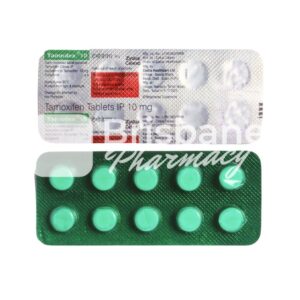
Rheumatrex

In brief
- Rheumatrex (methotrexate) is a prescription medicine in Australia and most countries and should be supplied by a pharmacy only with a valid prescription; although some suppliers or pharmacies in certain jurisdictions may offer it without a receipt, this is not legal or recommended and it should only be used under medical supervision.
- Rheumatrex is used to treat rheumatoid arthritis, juvenile idiopathic arthritis, severe psoriasis and certain cancers; it is an antimetabolite and folic acid analogue that inhibits dihydrofolate reductase and other folate-dependent enzymes, reducing DNA synthesis and producing anti‑inflammatory and immunosuppressive effects.
- Usual doses vary by condition: for rheumatoid arthritis 7.5–15 mg once weekly (some patients up to 25 mg/week); severe psoriasis 10–25 mg once weekly; juvenile idiopathic arthritis about 10–15 mg/m² once weekly; oncology dosing is highly variable and follows specialist protocols.
- Administration forms include oral tablets (2.5–10 mg), oral solution (e.g. 2 mg/ml), subcutaneous or intramuscular injection (pre‑filled syringes/auto‑injectors) and intravenous or vial preparations for oncology use.
- For rheumatological uses, improvement is commonly seen within 3–6 weeks after starting therapy, with full benefit sometimes taking up to 12 weeks; onset in oncology depends on regimen and dose.
- Duration of action is such that methotrexate is usually given once weekly for chronic rheumatologic conditions; clinical effects are maintained with ongoing weekly dosing and regular monitoring.
- Do not drink alcohol or keep alcohol intake to a minimum while taking methotrexate because concurrent alcohol increases the risk of liver toxicity; complete avoidance is generally advised while on treatment.
- The most common side effect is nausea (also commonly mouth sores/stomatitis, mild cytopenias and elevated liver enzymes); folic acid supplementation is routinely prescribed to reduce some side effects.
- Would you like to try rheumatrex without a prescription?
Basic Rheumatrex Information
- INN (International Nonproprietary Name): Methotrexate
- Brand Names Available In Australia: Rheumatrex, Trexall, Xatmep, Jylamvo, Otrexup, Rasuvo, Metoject, Methotrexat Ebewe, plus generics from Pfizer, Teva, Accord, STADA, Sandoz and others; product availability can vary in Australia and prescribers commonly order by INN to match PBS listings.
- ATC Code: L01BA01 — Antineoplastic and Immunomodulating Agents, Antimetabolites, Folic Acid Analogues
- Forms & Dosages: Tablets 2.5 mg, 5 mg, 7.5 mg, 10 mg; Oral solution 2 mg/ml (e.g., Jylamvo); Pre-filled syringes/auto-injectors 7.5–30 mg; Vials for injection 25 mg/ml, 50 mg/2 ml, 500 mg/20 ml and others.
- Manufacturers In Australia: Local supply often from global manufacturers including Pfizer, Teva, Accord, Sandoz and Ebewe; local packagers and importers supply branded and generic presentations.
- Registration Status In Australia: Registered prescription medicines under standard regulatory frameworks; check the Australian Product Information for specific brands and indications.
- OTC / Rx Classification: Prescription-only (Rx).
Critical Warnings & Restrictions (Safety First)
Pregnancy and breastfeeding are absolute contraindications because methotrexate is teratogenic and embryo‑fetal toxic.
A negative pregnancy test and effective contraception are required before and during treatment.
Elderly patients may need lower starting doses because age increases the risk of renal and hepatic adverse effects.
Avoid or monitor closely in chronic liver disease, severe renal impairment, alcoholism and bone‑marrow hypoplasia.
- Absolute Contraindications: Pregnancy, breastfeeding, severe hepatic or renal impairment, alcoholism, bone marrow hypoplasia.
- Relative Contraindications: Mild–moderate liver or kidney dysfunction, active infections, peptic ulcer disease, elderly patients, prior hepatitis B or C.
Monitoring checklist for safe use.
- Baseline and ongoing full blood count (CBC).
- Liver function tests (LFTs) including ALT/AST.
- Serum creatinine and estimated renal function.
- Repeat tests every 1–3 months while on therapy.
High‑Risk Groups
Pregnancy must be absolutely ruled out before starting methotrexate because of clear embryo‑fetal toxicity.
Breastfeeding is contraindicated while on treatment.
Elderly patients should start at lower doses due to greater renal and hepatic vulnerability.
Patients with chronic liver or kidney disease, heavy alcohol use, bone‑marrow hypoplasia or active infections require specialist assessment and close monitoring.
Interaction With Activities (Driving, Workplace Safety)
Methotrexate can cause fatigue, dizziness and visual disturbance in some people.
Infection risk is increased because of immunosuppression, which may reduce alertness or tolerance for certain tasks.
Do not operate heavy machinery or drive if you feel drowsy, dizzy or have blurred vision after taking methotrexate.
Australian road law makes driving while impaired by medication an offence, so follow prescriber and pharmacist advice before driving.
Q&A — Can I Drive After Taking It In Australia?
Short answer: Only if you feel fully alert and have no drowsiness, dizziness, blurred vision or acute side effects.
If you experience those symptoms do not drive and seek medical advice.
Follow prescriber and pharmacist guidance and local road‑safety laws.
Usage Basics: INN, Brands & Legal Status In Australia
What is in the bottle or syringe and which names you may see at the pharmacy.
- INN: Methotrexate.
- Common Brand Names: Rheumatrex, Trexall, Jylamvo (oral solution), Otrexup, Rasuvo, Metoject, Methotrexat Ebewe and multiple generics.
Pharmaceutical forms include tablets (2.5–10 mg), oral solution (2 mg/ml), pre‑filled syringes (7.5–30 mg) and vials (25 mg/ml, 50 mg/2 ml, larger oncology vials).
Methotrexate is prescription‑only in Australia under TGA regulation.
INN And Brand Names Available (Local Context)
Prescribe by INN where possible to match PBS listings and to ensure the pharmacy sources the correct formulation.
Brand availability can vary, so pharmacists may substitute a different registered brand with prescriber agreement.
Legal Classification (TGA, PBS)
- TGA: Methotrexate formulations are registered prescription medicines regulated by the TGA.
- PBS: Many disease‑modifying antirheumatic drug (DMARD) indications are listed on the PBS and may require authority approvals for subsidy.
| Brand | Formulation | PBS Status |
|---|---|---|
| Rheumatrex / Trexall | Tablets 2.5–10 mg | Often PBS‑listed where indicated (authority rules may apply) |
| Jylamvo | Oral solution 2 mg/ml | Availability varies; check PBS listings |
| Metoject / Rasuvo | Pre‑filled syringes 7.5–30 mg | Subcutaneous options; PBS status depends on indication |
Dosing Guide (Weekly Regimens & Adjustments)
Patients often worry about how often to take methotrexate and what happens if their health changes.
Typical regimens differ for rheumatology, dermatology and oncology; dosing must be individualised by the prescriber.
Standard Regimens (PBS Reference Dosing)
For adult rheumatoid arthritis a common starting regimen is 7.5–15 mg once weekly given orally or subcutaneously.
Severe psoriasis dosing commonly ranges from 10–25 mg once weekly.
Juvenile idiopathic arthritis dosing is calculated by body surface area at about 10–15 mg/m² once weekly.
Oncology dosing varies widely and follows specialist protocols.
Note that oral and injectable forms are not interchangeable mg:mg without prescriber approval.
Adjustments For Comorbidities
Reduce dose or avoid in renal or hepatic impairment and do not use in severe impairment.
Start lower in elderly patients and monitor renal function closely.
Be cautious when co‑prescribing NSAIDs or trimethoprim as these may increase methotrexate toxicity.
| Patient Group | Typical Dose Change |
|---|---|
| Elderly | Start lower; increase slowly if tolerated |
| Mild–Moderate Renal/Hepatic Impairment | Reduce dose and monitor more frequently |
| Severe Impairment | Contraindicated |
Q&A — What If I Miss A Dose?
Do not double dose.
If you remember within 24 hours follow prescriber instructions; otherwise skip that weekly dose and continue the usual schedule.
Contact your prescriber or pharmacist if you are unsure, because weekly dosing errors can lead to toxicity or reduced effect.
Interaction Chart (Food, Alcohol & Drug Conflicts)
Common patient concerns include whether they can drink alcohol and which drugs increase risk.
Food And Drinks (Alcohol, Australian Diet Context)
Avoid or minimise alcohol while taking methotrexate because combined alcohol and methotrexate increases the risk of hepatotoxicity.
No specific food restrictions beyond avoiding excessive alcohol and maintaining good nutrition.
Folic acid supplementation is recommended to reduce gastrointestinal and haematologic side effects.
Common Drug Interactions
Many medicines affect methotrexate levels or renal excretion, increasing toxicity risk.
| Drug Class | Interaction Effect | Action |
|---|---|---|
| NSAIDs | May reduce renal clearance and raise MTX levels | Avoid long‑term high‑dose NSAID use or monitor closely |
| Trimethoprim‑Sulfamethoxazole | Increases haematologic toxicity | Avoid or monitor blood counts closely |
| Penicillins / Probenecid | Can impair renal excretion | Adjust dosing/monitor renal function |
| Proton Pump Inhibitors | Possible interaction affecting clearance | Monitor and review necessity |
| Live Vaccines | Contraindicated during immunosuppression | Avoid live vaccines while on methotrexate |
- Checklist for pharmacists: review medicines for NSAIDs, trimethoprim, high‑dose penicillins, PPIs and recent vaccines.
User Reports & Trends (Australian Patient Feedback)
What patients commonly say online and at the pharmacy helps shape counselling.
- Top concerns: nausea, fatigue, injection versus oral tolerability, monitoring burden, and cost/PBS access.
- Many patients report that folic acid greatly reduces mouth sores and nausea.
- Subcutaneous injection is often preferred by patients who get GI side effects from oral tablets.
- Rural patients often report travel for lab monitoring and occasional supply delays.
- Price sensitivity leads some patients to request PBS substitution or generic brands.
| Symptom | Frequency Reported | Common Mitigation |
|---|---|---|
| Nausea | Common | Folic acid, antiemetics, consider subcutaneous route |
| Fatigue | Common | Timing doses, rest, review other medicines |
| Monitoring Burden | Frequent | Coordinate pathology and local access, telehealth |
Anonymised patient quote: “Weekly dosing is easier to remember with a marked calendar and folic acid helped my mouth sores.”
Sources for lived experience include ProductReview and patient forums; always confirm individual concerns with a clinician.
Access & Purchase Options In Australia (Chains, Online, Telehealth)
Where Australians typically get methotrexate and how to arrange prescriptions and monitoring.
National Chains And Community Pharmacies
Major retailers such as Chemist Warehouse, Priceline and TerryWhite Chemmart commonly dispense methotrexate formulations on valid prescription.
PBS subsidy can make many presentations affordable for eligible patients once authority requirements are met.
Online Pharmacies & Telehealth E‑Prescriptions
Telehealth can be used to obtain prescriptions and many pharmacies accept electronic prescriptions for dispensing.
Rural patients may use local dispensing with courier delivery to ensure continuity of supply.
In our online pharmacy, rheumatrex is available without a prescription, with discreet delivery to Australia in 9-21 days.
| Pharmacy Type | Pros | Cons / PBS Access |
|---|---|---|
| National Chain | Wide stock, competitive prices, PBS processing | May require authority paperwork for subsidy |
| Independent Community | Personal counselling, local lab coordination | Stock varies; may need ordering |
| Online Pharmacy | Convenience, home delivery | Requires valid e‑prescription; delivery times vary |
- What to bring to the pharmacy: valid prescription, list of current medicines, recent pathology results, pregnancy test if applicable.
Mechanism & Pharmacology (Simplified + Clinical Terms)
Patients ask how a low weekly drug treats inflammation and also cancer at higher doses.
Simplified Explanation
Methotrexate is a folic acid analogue that inhibits dihydrofolate reductase and disrupts folate‑dependent pathways.
This reduces DNA synthesis in rapidly dividing cells and has immunomodulatory effects that reduce inflammation in rheumatic disease.
Clinical Pharmacology Notes
- Mechanism Terms: Dihydrofolate Reductase Inhibition, Antimetabolite, Immunomodulation.
Low weekly doses used in rheumatology rely on immunomodulatory effects distinct from high‑dose oncology regimens.
Renal excretion is important, so impaired clearance increases toxicity risk.
| Use | Typical Pharmacology Difference |
|---|---|
| Low‑Dose Rheumatology | Immunomodulation, weekly dosing, folate rescue recommended |
| High‑Dose Oncology | Cytotoxic effects, high‑dose protocols, leucovorin rescue often required |
Indications & Off‑Label Uses (TGA‑Approved & Common Practice)
Which conditions methotrexate is routinely used for and when specialists prescribe it outside labels.
TGA/Approved Indications (Summary)
Methotrexate is used for rheumatoid arthritis, juvenile idiopathic arthritis, severe psoriasis and a range of oncology indications.
Check the product Australian Product Information and PBS schedule for brand‑specific approvals and authority requirements.
Off‑Label Uses In Australian Practice
Specialists sometimes use methotrexate off‑label for other autoimmune or dermatological conditions under supervision.
Off‑label prescribing requires informed consent, documented monitoring and specialist oversight.
| Indication | Common Dose | PBS Notes |
|---|---|---|
| Rheumatoid Arthritis | 7.5–15 mg once weekly | Often PBS‑listed with authority |
| Severe Psoriasis | 10–25 mg once weekly | PBS depends on individual case |
- Off‑label checklist: obtain consent, confirm specialist input, document monitoring schedule.
Key Clinical Findings (Major Studies 2022–2026 Summary)
What recent guidelines and trial summaries say about methotrexate as an anchor therapy.
- Recent evidence continues to support methotrexate as a first‑line conventional synthetic DMARD for rheumatoid arthritis.
- Combining methotrexate with folic acid reduces gastrointestinal and haematologic adverse effects without removing teratogenic risk.
- Subcutaneous administration often shows improved bioavailability and better gastrointestinal tolerability than oral dosing at higher weekly doses.
- Safety monitoring remains focused on hepatotoxicity and cytopenias, especially with interacting drugs or untreated hepatitis.
| Study / Guideline | Date | Key Finding |
|---|---|---|
| National Rheumatology Guidance (summary) | 2022–2026 | Methotrexate remains an anchor drug; monitor CBC and LFTs regularly |
Always refer to current national rheumatology guidelines and the Australian Product Information for brand‑specific trial data and recommendations.
Alternatives Matrix (PBS‑Listed Alternatives & Pros/Cons)
Comparing other commonly used DMARDs to help patients and clinicians decide on therapy changes.
| Drug | Class | Route | Pros | Cons | PBS Notes |
|---|---|---|---|---|---|
| Leflunomide | DMARD | Oral | Good efficacy | Teratogenic, long washout | PBS authority often required |
| Sulfasalazine | DMARD | Oral | Complementary in combination therapy | GI side effects, monitoring needed | PBS listed for certain indications |
| Hydroxychloroquine | DMARD | Oral | Well tolerated, inexpensive | Slower onset, retinal monitoring required | PBS details vary |
| Biologics (e.g., Adalimumab) | Biologic DMARD | Subcutaneous / IV | High efficacy | Expensive, complex access | Usually PBS authority required |
- Pros and cons checklist for switching: consider cost, teratogenic risk, monitoring burden, route and prior treatment response.
Common Questions (Australian Pharmacy Consultations)
- Do I need folic acid? Yes; folic acid reduces GI and haematologic side effects and is routinely recommended alongside methotrexate.
- How often should labs be done? Baseline then CBC, LFTs and creatinine every 1–3 months during treatment.
- Can I drink alcohol? Avoid or minimise alcohol to reduce hepatotoxicity risk.
- Can I get pregnant? No; pregnancy must be avoided, a negative pregnancy test is required before starting and effective contraception during treatment.
- What are red flags? Fever, bleeding, severe mucositis or sudden bruising require urgent medical attention.
- What about overdose? Overdose is potentially life‑threatening; seek immediate medical care; leucovorin (folinic acid) rescue may be required.
- Can I receive vaccines? Avoid live vaccines while immunosuppressed; check with your clinician.
Always confirm answers with your prescriber and follow PBS authority steps if subsidy is required.
Price & Access Comparison
Price Comparison Table
| Source | Typical Price Range | PBS Subsidy Status | Prescription Required |
|---|---|---|---|
| Brick‑and‑Mortar Chains (e.g., Chemist Warehouse) | Lower private price; PBS patient price when listed | Yes for eligible PBS indications (authority may apply) | Yes |
| Independent Pharmacy | Varies; competitive with chains | Yes where PBS applies | Yes |
| Online Pharmacies | Private price or PBS price with valid script | Depends on PBS authority and e‑prescription | Yes (e‑prescription accepted) |
- Access checklist: confirm prescription, check PBS authority requirements, arrange regular blood tests, consider home delivery or local stock planning for rural patients.
Registration & Regulation (TGA, PBS Detail)
Where to check registration, approved indications and subsidy rules.
TGA Approval
Methotrexate formulations are registered medicines regulated by the Therapeutic Goods Administration; always consult the Australian Product Information for specific brand details.
PBS Subsidy Details
Many methotrexate uses are PBS‑listed as part of DMARD therapy and may require general or streamlined authority depending on indication.
- TGA vs PBS: TGA registers products; PBS lists subsidised medicines and specifies item numbers and authority rules.
- How to check: search the PBS Schedule online or consult the prescriber and pharmacist for current Item numbers and authority requirements.
E‑prescriptions are accepted by many pharmacies and can be used with PBS processing where appropriate.
Storage & Handling (Household & Pharmacy)
Correct storage keeps the medicine effective and safe.
Household Storage In Australian Climate
Store tablets and solutions at 15–25°C, away from moisture and direct light.
Avoid bathroom medicine cabinets in hot or humid regions and keep all methotrexate out of reach of children and pets.
Cold‑Chain & Pharmacy Handling
Some injectable presentations have product‑specific storage requirements in the Australian Product Information; pharmacists should follow cold‑chain guidance if specified.
| Formulation | Storage Temp | Transport Advice |
|---|---|---|
| Tablets | 15–25°C | Room temperature, protect from moisture |
| Oral Solution | 15–25°C | Protect from light, cap tightly |
| Pre‑filled Syringes / Vials | Check Product Information (some may need refrigeration) | Follow cold‑chain and avoid temperature excursions |
Sharps disposal: advise patients to use an authorised sharps container and return to pharmacy or local council collection points for safe disposal.
Guidelines For Proper Use (Pharmacist Counselling & PBS/National Advice)
Practical, safety‑focused counselling pharmacists should cover at first supply and at refill.
Australian Pharmacist Counselling Style — Focused Safety
- Confirm weekly dosing day and provide a written dosing calendar or weekly pillbox.
- Check contraception and confirm a negative pregnancy test before starting.
- Advise alcohol avoidance and the need for folic acid supplementation.
- Explain red flags: fever, bleeding, severe mouth ulcers or unexpected bruising require urgent medical review.
- Review all medicines for interactions and coordinate pathology bookings for monitoring.
Patient Advice From PBS And National Health Authorities
Direct patients to PBS fact sheets, the TGA consumer medicine information and national rheumatology guidance for written resources.
- Counselling checklist: weekly dosing reminder, contraception confirmation, folic acid dose, monitoring schedule, when to seek urgent care.
| Resource | Use |
|---|---|
| TGA Consumer Medicine Information | Brand‑specific safety and storage guidance |
| PBS Fact Sheets | Subsidy and authority details |
| Arthritis Australia / National Guidelines | Condition‑specific treatment pathways and monitoring |
Delivery Across Australia
| City | Region | Delivery Time |
|---|---|---|
| Sydney | New South Wales | 9-14 days |
| Melbourne | Victoria | 9-14 days |
| Brisbane | Queensland | 9-14 days |
| Perth | Western Australia | 9-14 days |
| Adelaide | South Australia | 9-14 days |
| Canberra | Australian Capital Territory | 9-14 days |
| Hobart | Tasmania | 9-14 days |
| Gold Coast | Queensland | 9-14 days |
| Newcastle | New South Wales | 9-14 days |
| Wollongong | New South Wales | 9-14 days |
| Geelong | Victoria | 9-14 days |
| Cairns | Queensland | 14-21 days |
| Townsville | Queensland | 14-21 days |
| Darwin | Northern Territory | 14-21 days |