
Retin-a Gel
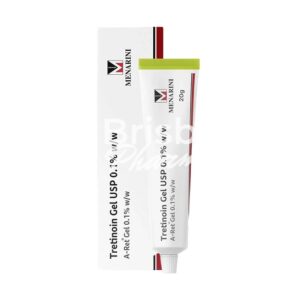
In brief
- In Australia Retin‑A gel (tretinoin) is generally a prescription‑only medicine, but it is possible in some pharmacies and online suppliers to purchase tretin‑a gel without a prescription or receipt; availability and legality vary by supplier and jurisdiction, so check local pharmacy policy and regulations.
- Retin‑A (tretinoin) is used mainly to treat acne vulgaris and, off‑label, for photoaging/wrinkle reduction. It is a topical retinoid that normalises follicular epithelial desquamation, increases cell turnover and has anti‑inflammatory effects by modulating gene expression and epidermal differentiation.
- Usual dosage for acne is a thin layer of 0.01–0.025% gel or 0.025% cream applied once daily at bedtime; higher strengths (0.05–0.1%) are used less commonly and under medical supervision for photoaging or more severe indications.
- Form of administration: topical application to clean, dry skin (gel, cream, lotion or occasionally compounded solution), avoiding eyes, lips, mucous membranes and broken skin.
- Onset time: some irritation and changes may occur within 1–2 weeks and acne can initially worsen in the first 2–4 weeks; visible clinical improvement is commonly seen by 6–12 weeks with continued use.
- Duration of action: effects are cumulative and require ongoing daily use; benefits are maintained while treatment continues and may take months for maximal effect—treatment is often continued as a maintenance regimen.
- Alcohol warning: avoid alcohol‑based topical products and abrasive or alcohol‑containing cleansers on treated skin (they increase irritation); the gel base can be flammable—avoid smoking or open flames during application; routine alcohol consumption does not alter topical tretinoin systemic exposure but may increase skin dryness when combined with other drying agents.
- The most common side effec is skin irritation (redness, peeling, dryness, burning or stinging); more severe reactions (blistering, swelling) require medical review.
- Would you like to try retin‑a gel without a prescription?
Critical Warnings And Restrictions (Safety-First For Australian Patients)
Basic Retin-A Gel Information
- INN (International Nonproprietary Name): Tretinoin
- Brand Names Available In Australia: Not Specified
- ATC Code: D10AD01 (D = Dermatologicals; D10 = Anti-acne topical preparations; D10AD = Retinoids for topical use; D10AD01 = Tretinoin)
- Forms & Dosages: Gel 0.01% and 0.025%; Cream 0.025%, 0.05%, 0.1%; lotion and solution forms vary by market or are compounded
- Manufacturers In Australia: Not Specified
- Registration Status In Australia: Not Specified
- OTC / Rx Classification: Prescription Only (Rx)
Tretinoin is a prescription topical retinoid used mainly for acne and sometimes for photoageing under specialist care.
Stop treatment and seek medical advice if pregnancy is planned or suspected because topical retinoids are contraindicated in pregnancy despite low systemic absorption.
Breastfeeding is also a contraindication unless a prescriber advises otherwise.
Elderly patients and people with chronic skin disease such as eczema or rosacea have a higher risk of irritation and should start lower strengths or alternate‑night dosing.
Do not apply tretinoin to active sunburn, open wounds, or areas of broken skin.
Immunosuppressed patients and anyone currently on systemic retinoids should be reviewed by the prescriber before starting topical tretinoin.
Immediate actions for severe irritation: stop treatment, apply cool compresses to the area, contact your GP or dermatologist, and report the reaction to the TGA if appropriate.
- Seek urgent review for blistering, marked swelling, severe pain, weeping skin, or signs of infection.
- Also seek urgent review if you develop sudden severe visual disturbance, dizziness, or fainting after application.
Available strengths found internationally include tretinoin gel 0.01%–0.025% and creams up to 0.1%.
High-Risk Groups
Pregnant or breastfeeding people must not use tretinoin and should stop and seek medical advice if pregnancy is planned or suspected.
Older adults and those with chronic inflammatory skin conditions are at greater risk of irritation and should use lower concentrations or reduced frequency.
People on systemic retinoids or who are immunocompromised require prescriber review before use.
Interaction With Activities
Topical tretinoin increases photosensitivity; outdoor workers should use SPF 30+ sunscreen, wide‑brim hats and workplace WHS sun controls.
Avoid waxing, aggressive exfoliation, laser, dermabrasion or other abrasive procedures on treated skin until fully healed.
Q&A — Can I Drive After Applying It In Australia?
Short answer: Yes, topical tretinoin does not impair alertness or driving for most people.
If you experience rare side effects such as severe dizziness, fainting or visual disturbance after application, stop driving and seek medical review.
Usage Basics
INN, Brand Names Available
INN: Tretinoin.
International brand examples include Retin-A, Stieva-A and A-Ret, with packaging and names varying by market.
Typical formulations worldwide are tretinoin gel (0.01%, 0.025%) and creams (0.025%, 0.05%, 0.1%).
Check the TGA ARTG or your local pharmacy for current Australian brand availability.
Legal Classification (TGA-Approved, PBS-Listed)
Tretinoin is classified as a prescription‑only medicine under typical regulatory frameworks.
PBS subsidy status may apply for specific indications or formulations and can change; check the PBS website for current listings.
| INN | Common Forms | Prescription Status | Check |
|---|---|---|---|
| Tretinoin | Gel 0.01%–0.025%, Cream 0.025%–0.1% | Prescription Only (Rx) | TGA ARTG / PBS |
- Verify registrations at the TGA ARTG online search.
- Confirm subsidy and eligibility at the PBS website.
- Ask your local pharmacist to check current brand and pack availability.
Patient tip: National pharmacy chains such as Chemist Warehouse, Priceline and TerryWhite Chemmart can confirm local brand availability and possible subsidised options.
Dosing Guide
Standard Regimens
Typical acne regimen: apply a very thin layer once nightly to clean, dry skin, usually at bedtime.
Common starting strength is tretinoin 0.025% gel or cream; higher strengths such as 0.05%–0.1% are generally used under dermatologist supervision or for photoageing.
Expect an initial flare or increased peeling in the first 2–4 weeks; full benefits are often seen at 6–12 weeks with continued use.
- Cleanse the skin gently and pat dry.
- Apply a pea‑sized amount for the whole face and spread a very thin layer.
- Avoid eyes, nostrils and lips and do not apply to broken skin.
- Use a non‑comedogenic moisturiser if dryness occurs.
Adjustments For Comorbidities
Children aged 12 years and older may use tretinoin at lower concentrations; under‑12 use requires specialist advice.
Elderly patients should start with lower strengths and increase slowly if tolerated.
For severe inflammatory skin disease or high sensitivity, consider alternate‑night dosing or temporary cessation until irritation settles.
Q&A — What If I Miss A Dose?
Apply as soon as you remember unless it is close to the next scheduled application, and do not double up.
If irritation occurs after resuming, reduce frequency to every other night and re‑titrate as tolerated.
- Titration checklist: start every other night → increase to nightly → add moisturiser to buffer irritation.
Interaction Chart
Food And Drinks
Systemic drug interactions from topical tretinoin are minimal due to low absorption.
Alcohol does not interact directly with tretinoin but heavy alcohol use can worsen skin dehydration and irritation.
Advise patients to avoid excessive alcohol intake on treatment days if they notice increased dryness or redness.
Common Drug Conflicts
Concurrent use of abrasive cleansers, high‑strength astringents or strong chemical exfoliants increases irritation risk with tretinoin.
Benzoyl peroxide can oxidise tretinoin when mixed directly; either use benzoyl peroxide in the morning and tretinoin at night, use stabilised combination products, or follow prescriber advice.
Avoid combining topical tretinoin with oral isotretinoin unless under specialist supervision because of additive mucocutaneous effects.
| Substance | Interaction | Practical Advice |
|---|---|---|
| Benzoyl Peroxide | Can oxidise/ deactivate tretinoin | Use at separate times (AM/PM) or use a stabilised combo product |
| Abrasive Exfoliants | Increase irritation and barrier damage | Avoid physical scrubs and strong peels while on tretinoin |
| Oral Isotretinoin | Additive dryness and irritation | Only combine under specialist supervision |
- Counselling points: advise timing (tretinoin at night), use moisturiser and sunscreen, stop abrasive products.
- Suggest alternatives for intolerant patients such as adapalene or azelaic acid after prescriber review.
User Reports And Trends (Australian Patient Feedback)
What Australians often report: an initial period of purging and peeling, and variable levels of irritation depending on strength and skin type.
Many patients appreciate visible improvement after 8–12 weeks of consistent use, particularly for comedonal acne.
Cost sensitivity is common, and patients often ask pharmacists for brand and PBS subsidy options.
Some Australians switch to adapalene because it usually causes less early irritation, while others stay with tretinoin for stronger or faster results in resistant acne or off‑label photoageing.
- Frequent patient concerns: sensitivity, photosensitivity, managing the initial peel, affordability.
- Practical requests seen in forums: moisturiser recommendations, sunscreen choices, and dose escalation timing.
- Checklist: Ask your pharmacist about available strengths, suitable moisturisers, timed application with other products, and whether a PBS subsidy might be available.
Credibility note: recommend TGA‑registered products and advise GP or dermatologist review for persistent or severe adverse effects.
Access And Purchase Options (Australia)
National Chains
Tretinoin is prescription‑only and major pharmacy chains dispense it against a GP or dermatologist prescription.
Price and brand availability vary between stores; pharmacists can advise on generic substitution and PBS entitlements.
Online Pharmacies And Telehealth E-Prescriptions
Telehealth e‑prescriptions are widely used in Australia and many online pharmacies accept e‑scripts and post orders nationally.
Caution: importing tretinoin from overseas can breach TGA import rules and carries the risk of counterfeit or incorrect concentrations.
In our online pharmacy, retin-a gel is available without a prescription, with discreet delivery to Australia in 9-21 days.
- Safe purchase checklist: confirm the product is TGA‑registered, use an e‑script or physical prescription, verify pharmacy accreditation, and keep batch and expiry details for any adverse event reports.
| Access Option | Pros | Cons |
|---|---|---|
| In‑Person Pharmacy | Immediate expert advice, easy follow‑up | May need an in‑person prescription visit |
| Online Pharmacy | Convenience, e‑script acceptance, home delivery | Delivery time and import risks if not TGA‑registered |
| Specialist Clinic | Dermatology supervision for higher strengths | Higher cost and limited availability |
Mechanism And Pharmacology
Simplified Explanation
Tretinoin is a topical retinoid that modulates keratinocyte behaviour to normalise cell turnover.
It helps clear comedones, reduces microcomedone formation and has anti‑inflammatory effects useful in acne.
It is also used off‑label for photoageing where it improves fine lines and skin texture over months of use.
Clinical Terms
- Keratinisation: the process by which skin cells mature and shed; tretinoin normalises this process.
- Comedone: a blocked pore (blackhead or whitehead) that tretinoin helps clear.
- Photoageing: sun‑related skin ageing; tretinoin can improve texture and fine lines with supervised use.
- Systemic Absorption: minimal for topical tretinoin; systemic dose adjustments are typically unnecessary.
- Mechanism summary: increases cell turnover, reduces follicular plugging and inflammation.
- Onset of effect: partial response in weeks, full benefit commonly by 6–12 weeks.
- How it differs: adapalene tends to be less irritating; tazarotene is more potent and often more irritating.
Indications And Off-Label Uses
Approved Indications By TGA
The primary approved indication for tretinoin in many jurisdictions is acne vulgaris as a topical therapy.
Tretinoin remains a prescription‑only medicine and should be prescribed in line with local regulatory guidance.
Off-Label Uses In Australian Clinical Practice
Off‑label uses include photoageing and improving fine lines and skin texture, typically using cream formulations of 0.05%–0.1% under dermatologist supervision.
- Clinical considerations for off‑label use: assess skin type, prior tolerance to topical retinoids, and strict sunscreen adherence.
- Patch test or trial at lower strength may be advisable for sensitive skin.
- Prescriber checklist: document the clinical rationale, counsel on risks and photosensitivity, and schedule review at 6–12 weeks.
Key Clinical Findings (Australia & International 2022–2026)
Topical tretinoin continues to show consistent evidence for clearing comedonal and moderate acne.
Comparative analyses through 2024–25 indicate similar long‑term efficacy to adapalene but a higher burden of early irritation with tretinoin for some patients.
Combination regimens pairing a retinoid with benzoyl peroxide or topical antibiotics yield better outcomes for inflammatory acne than monotherapy in many trials.
Recent guidance highlights moisturiser co‑therapy to reduce irritation and improve adherence.
| Year | Population | Intervention | Outcome | Tolerability |
|---|---|---|---|---|
| 2022–2024 | Moderate Acne | Topical Tretinoin ± BP | Improved comedones and reduced lesions at 12 weeks | Higher early irritation versus adapalene |
| 2024–2025 | Photoageing Cohort | Tretinoin Cream 0.05%–0.1% | Improved fine lines and texture with supervision | Moderate local irritation common |
- Practice implications: titrate dose slowly, combine with gentle skin care, and review at 6–12 weeks to assess response and tolerability.
For exact trials and full references consult up‑to‑date literature databases or local dermatology guidelines.
Alternatives Matrix
PBS-Listed Alternatives Comparison Table
| Alternative | Typical Strength | Efficacy Vs Tretinoin | Irritation Risk | PBS Status (Check) |
|---|---|---|---|---|
| Adapalene (Differin) | 0.1% topical | Similar long‑term efficacy for acne | Lower early irritation | Varies — check PBS |
| Tazarotene | 0.05%–0.1% | Potent retinoid, effective for acne/photoageing | Higher irritation risk | Varies — check PBS |
| Benzoyl Peroxide | 2.5%–5% | Good antibacterial/comedolytic adjunct | Can be drying/irritant | Often OTC or Rx depending on product |
| Azelaic Acid | 15%–20% | Useful for sensitive skin and rosacea | Lower irritation in many patients | Check PBS for preparations |
Pros And Cons Checklist
- Consider skin sensitivity when choosing a retinoid; adapalene may suit patients intolerant of tretinoin.
- Check PBS status for cost savings and concession eligibility before prescribing.
- Pregnancy safety: avoid retinoids; choose pregnancy‑safe alternatives for pregnant patients.
- For anti‑ageing goals, tazarotene or higher‑strength tretinoin may be more effective but require closer follow‑up for irritation.
Common Questions (Pharmacy Consultations)
- How long before I see improvement? — Expect 6–12 weeks for meaningful results; advise continuing treatment unless severe reaction occurs.
- Can I use moisturiser or makeup? — Yes; apply a moisturiser after tretinoin or use a moisturiser first to buffer irritation if needed; makeup is fine once the product has absorbed.
- What if I get severe irritation? — Stop treatment, apply cool compresses and seek GP or dermatologist review; emergency review for blistering or severe swelling.
- Is it OK for teens? — Generally suitable for ages 12+ under supervision; counsel parents and check for pregnancy risk in older teens.
- Pharmacist counselling phrase examples: “Start low and slow; expect some peeling early on, and use sunscreen daily.”
- Always confirm pregnancy status and advise effective contraception where applicable.
Price And Access Comparison
| Pharmacy Type | Example Price Band | PBS Possibility | Prescription |
|---|---|---|---|
| Major Chain (In‑Store) | AU$20–100+ | Possible for some formulations/indications — check PBS | Yes |
| Independent Pharmacy | AU$25–90 | Possible — check with prescriber and PBS | Yes |
| Online Pharmacy | AU$20–100+ (plus delivery) | Depends on PBS listing and dispensing arrangements | Yes (e‑script accepted) |
Unsubsidised retail prices vary by brand, strength and pack size and typically range from about AU$20 to AU$100 or more depending on product and supply.
- Access checklist: check local stock at Chemist Warehouse, Priceline and TerryWhite; use telehealth if GP access is limited; rural patients should plan repeat scripts to avoid gaps.
- Patient safety note: avoid unverified overseas sellers to reduce counterfeit or incorrect‑strength risk.
Registration And Regulation
Tretinoin products are regulated prescription medicines and should have an ARTG entry when registered for supply in Australia.
Verify ARTG details for brand and strength before recommending or dispensing.
PBS listings change and may include retinoid combinations or restricted indications under specific criteria; consult the PBS website for current subsidy rules.
- How to report adverse events: use the TGA Adverse Event Reporting System online.
- How to check ARTG and PBS: use the TGA ARTG search and the PBS online database.
- Keep batch and expiry details when reporting supply or adverse events.
Storage And Handling
Household Storage In Australian Climate
Store tretinoin tightly closed at room temperature and avoid exposure to direct sunlight or temperatures above 49°C.
Do not refrigerate or freeze tretinoin products.
Note that some gels are flammable; avoid open flames and do not smoke during or immediately after application.
Cold-Chain Handling For Pharmacies
Standard room‑temperature storage is acceptable; monitor stock in hot Australian summers and avoid leaving stock in cars.
Check expiry dates and tube integrity before dispensing to patients.
- Patient checklist: keep out of reach of children, store in a cool dry place, check the pack for flammability warnings, and dispose of unused product safely through local disposal programs.
| Storage Conditions | Patient Instructions | Emergency Steps If Ingested |
|---|---|---|
| Room temperature, avoid >49°C | Store away from heat and sunlight; keep childproof | Seek medical attention and bring the product packaging |
Guidelines For Proper Use (Pharmacist Counselling & National Advice)
Australian Pharmacist Counselling Style
- Confirm the indication for use and check pregnancy status before supply.
- Ask about prior topical retinoid use and sensitivity reactions.
- Explain sunscreen advice: use broad‑spectrum SPF 30+ daily and reapply when outdoors.
- Set expectations: peeling and initial worsening can occur; full benefits often take 8–12 weeks.
- Recommend non‑comedogenic moisturisers and advise alternate‑night use if irritation starts.
- Advise when to seek review: severe irritation, signs of infection, or lack of improvement at 12 weeks.
Patient Advice From PBS And National Health Authorities
Reinforce the prescription requirement and keep documentation for telehealth follow‑up and continued care.
Advise patients to report adverse effects to the TGA and to keep product batch and expiry information for any reports.
- Key counselling phrases: “Start low and slow,” “Use sunscreen daily,” “Moisturise to reduce irritation.”
- Follow‑up schedule suggestion: check at 2–6 weeks for tolerance, formal review at about 3 months to assess efficacy and consider dose escalation.
Delivery Across Australia
| City | Region | Delivery Time |
|---|---|---|
| Sydney | New South Wales | 9-14 days |
| Melbourne | Victoria | 9-14 days |
| Brisbane | Queensland | 9-14 days |
| Perth | Western Australia | 9-14 days |
| Adelaide | South Australia | 9-14 days |
| Canberra | Australian Capital Territory | 9-14 days |
| Hobart | Tasmania | 9-14 days |
| Darwin | Northern Territory | 9-14 days |
| Gold Coast | Queensland | 9-14 days |
| Newcastle | New South Wales | 9-14 days |
| Wollongong | New South Wales | 9-14 days |
| Geelong | Victoria | 9-14 days |
| Townsville | Queensland | 14-21 days |
| Cairns | Queensland | 14-21 days |
| Bendigo | Victoria | 14-21 days |


