Tacrolimus
In brief
- In our pharmacy you can buy tacrolimus without a prescription, with delivery across Australia in 9–21 days and discreet, anonymous packaging.
- Tacrolimus is an immunosuppressant used to prevent organ transplant rejection and, topically, to treat inflammatory skin conditions such as atopic dermatitis; it works as a calcineurin inhibitor that blocks T‑cell activation and IL‑2 production (systemic use requires therapeutic drug monitoring and has many drug interactions via CYP3A4/5).
- Usual systemic doses for adults after transplant are about 0.1–0.2 mg/kg/day orally divided every 12 hours (cardiac regimens may start ~0.075 mg/kg/day); paediatric doses are often 0.15–0.2 mg/kg/day; topical ointment is applied as a thin layer twice daily (0.03% for children or sensitive skin, 0.1% for adults if tolerated).
- Forms of administration include oral capsules (immediate‑release and prolonged‑release), intravenous injection (5 mg/ml vials), and topical ointment/cream (0.03% and 0.1%).
- Onset: systemic pharmacologic effects on immune cells can begin within 24–48 hours with clinical immunosuppressive benefit developing over days to weeks; topical relief of itching may begin within days, with clearer skin improvement usually over 1–6 weeks.
- Duration of action: immediate‑release tacrolimus is dosed twice daily (shorter duration), prolonged‑release preparations allow once‑daily dosing; systemic immunosuppression is maintained chronically (often lifelong after transplant), while topical courses are commonly 2–6 weeks for flares.
- Alcohol warning: avoid heavy alcohol intake and use caution — alcohol may increase liver stress and the risk of adverse effects; discuss alcohol use with your prescriber or pharmacist.
- The most common side effect systemically is tremor (shakiness); other frequent effects include headache, hypertension, nausea, nephrotoxicity and increased infection risk; topically the common effect is burning or stinging at the application site.
- Would you like to try tacrolimus without a prescription?
Basic Tacrolimus Information
- INN (International Nonproprietary Name): Tacrolimus.
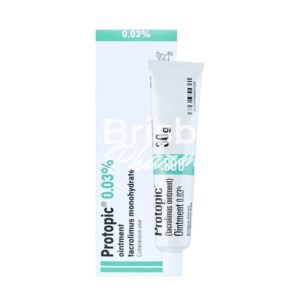
- Brand Names Available In Australia: Prograf® (capsules, vials), Advagraf® (prolonged‑release), Protopic® (ointment), and multiple generics such as Tacrolimus‑Sandoz and other locally supplied tacrolimus products.
- ATC Code: L04AD02 (systemic calcineurin inhibitor); D11AH01 (topical dermatological).
- Forms & Dosages: Capsules 0.5mg, 1mg, 5mg; extended‑release caps 0.5mg–5mg; IV 5mg/ml; ointment 0.03% and 0.1% in 10g/30g/60g tubes.
- Manufacturers In Australia: Astellas Pharma is the originator of Prograf®, Advagraf® and Protopic®; generics may be supplied by Sandoz, Mylan and other distributors.
- Registration Status In Australia: Registered products exist internationally; prescription status is Rx only per product labelling.
- OTC / Rx Classification: Prescription only (systemic and topical formulations require a valid prescription).
Critical Warnings & Restrictions (Safety First)
Start with safety first: tacrolimus is a narrow therapeutic index medicine that requires therapeutic drug monitoring when used systemically.
Systemic tacrolimus blood levels must be checked regularly to reduce the risk of nephrotoxicity and neurotoxicity.
- Absolute contraindication: hypersensitivity to tacrolimus or any excipient.
- Key relative cautions: pre‑existing renal or hepatic impairment, uncontrolled infection, pregnancy or breastfeeding (only if benefit outweighs risk), and concurrent nephrotoxic drugs such as aminoglycosides and regular NSAIDs.
- High‑risk groups: elderly patients have higher risk of nephrotoxicity and interactions, and children require different mg/kg dosing with variable absorption.
Common systemic adverse effects include tremor, hypertension, headache, nausea, hyperglycaemia and increased infection risk.
Topical tacrolimus can cause local burning and, rarely, systemic absorption under extensive application.
Driving and workplace safety: tacrolimus may cause tremor, dizziness or visual disturbance.
If affected, do not drive or operate heavy machinery and notify your employer if you work in a safety‑critical role under Australian workplace safety laws.
Q&A — “Can I Drive After Taking It In Australia?”
Most people can drive if unimpaired, but do not drive if you have tremor, drowsiness or visual problems after taking tacrolimus.
Document this advice in My Health Record or give the patient written counsel for workplace records.
- Immediate actions checklist: stop taking the drug only if advised by your transplant team; seek urgent care for confusion, seizures or oliguria; contact the transplant clinic or local ED for severe symptoms.
Usage Basics
INN, Brand Names Available In Australia
Tacrolimus is the International Nonproprietary Name for this calcineurin inhibitor used systemically and topically.
Common brand names referenced in product information include Prograf® (capsules and IV), Advagraf® (prolonged‑release capsules) and Protopic® (ointment 0.03% and 0.1%).
Multiple generics such as Tacrolimus‑Sandoz and other local suppliers are also listed in international packaging data.
Legal Classification (TGA‑Approved, PBS‑Listed)
Tacrolimus formulations are prescription‑only medicines per product labelling and are registered internationally and in many jurisdictions.
Systemic and topical products are commonly registered and TGA approval should be confirmed via ARTG for specific presentations.
PBS subsidy commonly applies for transplant indications subject to authority requirements and clinicians should check the current PBS schedule for eligibility.
| Brand | Form | Strengths | Typical Use |
|---|---|---|---|
| Prograf® | Capsules / IV | 0.5mg, 1mg, 5mg; 5mg/ml IV | Systemic immunosuppression in transplant |
| Advagraf® | Prolonged‑Release Caps | 0.5mg, 1mg, 3mg, 5mg | Once‑daily systemic therapy option |
| Protopic® | Ointment | 0.03%, 0.1% (10g/30g/60g) | Topical treatment for atopic dermatitis |
Pharmacy note: topical products are for local dermatological use only and must not be used systemically without specialist advice.
Dosing Guide
Standard Regimens (PBS Reference Dosing)
Systemic starting doses are weight‑based and vary by transplant type.
Typical renal or hepatic transplant starting dose is 0.1–0.2 mg/kg/day given orally in two divided doses (q12h).
Cardiac transplant adult starting dose is approximately 0.075 mg/kg/day divided q12h.
Pediatric dosing commonly uses 0.15–0.2 mg/kg/day divided q12h with careful monitoring due to variable absorption.
Topical dosing for atopic dermatitis is a thin layer applied twice daily of 0.03% or 0.1% ointment, with 0.03% preferred for under 16 years.
Adjustments For Comorbidities
Dose individualisation is essential and guided by therapeutic drug monitoring (trough levels) because tacrolimus has a narrow therapeutic index.
Reduce doses and intensify monitoring in renal or hepatic impairment and start lower in elderly patients.
When co‑prescribing strong CYP3A inhibitors such as azole antifungals, reduce tacrolimus dose and check levels promptly.
| Indication | Typical Starting Dose | Monitoring Frequency |
|---|---|---|
| Renal/Hepatic Transplant | 0.1–0.2 mg/kg/day oral divided q12h | Daily to weekly initially, then per clinic |
| Cardiac Transplant | ~0.075 mg/kg/day oral divided q12h | Frequent early troughs, then per protocol |
| Atopic Dermatitis (Topical) | Thin layer BID of 0.03% or 0.1% | Clinical follow‑up; systemic levels rarely needed |
Q&A — “What If I Miss A Dose?”
If a dose is missed, take it as soon as remembered if within 4–6 hours; otherwise skip the missed dose and resume the usual schedule.
Do not double doses to make up a missed dose.
Document missed doses and notify the transplant clinic if missed doses recur, as this raises the risk of rejection.
Interaction Chart
Food And Drinks (Alcohol, Coffee, Australian Diet Context)
Tacrolimus is metabolised by CYP3A4/5 and transported by P‑glycoprotein, which explains many interactions.
Avoid grapefruit and grapefruit juice as they inhibit CYP3A and can raise tacrolimus levels unpredictably.
Moderate alcohol is not specifically contraindicated, but avoid alcohol in patients with liver disease or unstable graft function due to added hepatic stress.
Common Drug Conflicts
Strong CYP3A inhibitors such as ketoconazole, itraconazole, erythromycin and clarithromycin increase tacrolimus concentrations and require dose reduction and close monitoring.
Strong CYP3A inducers such as rifampicin, carbamazepine and St John’s wort reduce levels and risk graft rejection, and should be avoided if possible.
Other interacting groups include calcium channel blockers, certain statins and protease inhibitors which may alter levels or toxicity risk and require dose review.
| Drug/Class | Effect On Tacrolimus | Action |
|---|---|---|
| Grapefruit Juice | Increases levels (CYP3A inhibition) | Avoid |
| Azole Antifungals (e.g. Ketoconazole) | Increase levels | Reduce dose; monitor levels |
| Rifampicin / Carbamazepine | Decrease levels | Avoid or increase tacrolimus with close monitoring |
Topical tacrolimus has minimal systemic interactions but local infections and live vaccines at the application site are a concern.
- Pharmacist checklist: review new antibiotics, antifungals, anticonvulsants and herbal supplements immediately with the treating clinic.
User Reports & Trends (Australian Patient Experience)
Patients commonly search for price and brand queries such as Prograf price, tacrolimus 1mg Australia and tacrolimus ointment for eczema.
Common themes from ProductReview and forums include side‑effects like tremor, GI upset and hypertension; topical Protopic® is often praised for face and flexural eczema relief.
Rural patients report delays in blood‑level testing and higher out‑of‑pocket costs when PBS subsidy does not apply.
Urban patients note easier access to specialist clinics and faster pathology turnaround and telehealth options.
| Aspect | Topical | Systemic |
|---|---|---|
| Patient Satisfaction | Good for steroid‑sparing; local irritation possible | Effective for rejection prevention; side‑effects frequently queried |
| Access | Easily dispensed in community | TDM logistics a common barrier in rural areas |
User quote box (anonymised): “Topical tacrolimus cleared my eczema on my eyelids when steroids failed, but the ointment burned at first.”
- SEO search phrases noted from feedback: Prograf Australia, Advagraf capsules, tacrolimus ointment.
Access & Purchase Options (Australia)
National Chains (Chemist Warehouse, Priceline, TerryWhite)
A valid prescription from a specialist or GP is required to dispense tacrolimus in community pharmacies.
Major pharmacy chains such as Chemist Warehouse, Priceline and TerryWhite Chemmart commonly stock oral and topical formulations subject to prescription and supplier availability.
IV tacrolimus is typically hospital‑only and supplied through hospital pharmacies.
Online Pharmacies And Telehealth E‑Prescriptions
Australian registered online pharmacies and telehealth services can supply tacrolimus on valid prescriptions and must verify prescriber identity.
In our online pharmacy, tacrolimus is available without a prescription, with discreet delivery to Australia in 9‑21 days.
| Source | Pros | Cons |
|---|---|---|
| Major Chain | Reliable supply; PBS processing | Stock outages possible |
| Community Pharmacy | Local advice; pathology coordination | May not stock all strengths |
| Online Pharmacy | Convenience; delivery | Verify Australian registration |
- Access checklist: valid prescription, PBS authority if applicable, pathology bookings for TDM, cold‑chain considerations for IV stock, confirm dispensing pharmacy stock.
Mechanism & Pharmacology
Simplified Explanation
Tacrolimus is a calcineurin inhibitor that binds FK506‑binding protein and inhibits T‑lymphocyte activation by reducing IL‑2 transcription.
This mode of action accounts for its systemic immunosuppression in transplant medicine and its anti‑inflammatory effects when used topically in skin disease.
Clinical Terms
Topical tacrolimus acts locally on skin T‑cells with minimal systemic absorption; systemic immunosuppression from topical use is rare and reported at <0.5%.
Pharmacokinetics are characterised by variable oral absorption and extensive hepatic metabolism via CYP3A4/5, which explains the need for therapeutic drug monitoring.
- TDM: measurement of tacrolimus trough concentrations to guide dosing.
- Trough Level: blood sample taken immediately before the next dose to assess exposure.
- Narrow Therapeutic Index: small changes in dose or interactions can cause toxicity or loss of effect.
Monitoring of renal function, blood pressure, glucose and lipids is standard in patients on systemic tacrolimus.
Indications & Off‑Label Uses
Approved Indications By TGA
Systemic tacrolimus is approved for prevention and treatment of organ transplant rejection including renal, hepatic and cardiac grafts.
Topical tacrolimus (Protopic® 0.03% and 0.1%) is approved for atopic dermatitis and used as a steroid‑sparing agent in sensitive areas.
Systemic treatment is typically lifelong maintenance immunosuppression after transplant.
Off‑Label Uses In Australian Practice
Topical off‑label dermatology uses include lichen planus and vitiligo, and steroid‑sparing approaches in areas such as the face and skin folds.
Off‑label systemic use outside transplant settings is not recommended and requires specialist oversight.
| Indication | Formulation | Evidence Level | PBS Status |
|---|---|---|---|
| Prevention Of Transplant Rejection | Oral/IV | High | Often PBS‑subsidised with authority |
| Atopic Dermatitis | Topical 0.03%/0.1% | High | Usually private script for dermatology indications |
| Vitiligo, Lichen Planus | Topical | Limited/Moderate | Off‑label; private prescription |
Specialist consent and clear documentation are advised for all off‑label systemic uses.
Key Clinical Findings (2022–2026 Summary For Update)
Calcineurin inhibitors such as tacrolimus remain central to many transplant regimens due to graft survival benefits compared with older agents.
Topical tacrolimus continues to be effective for moderate to severe atopic dermatitis and is a valuable steroid‑sparing option at sensitive sites.
Evidence through 2024 reinforced the need for therapeutic drug monitoring to reduce nephrotoxicity and optimise outcomes.
Once‑daily prolonged‑release formulations have shown adherence advantages in selected cohorts.
| Author / Year | Population | Key Outcome | Implication |
|---|---|---|---|
| Meta‑Analyses (Recent) | Transplant Recipients | Improved graft survival vs cyclosporin | Supports tacrolimus as first‑line calcineurin inhibitor |
| RCTs 2020–2024 | Dermatitis Patients | Topical tacrolimus effective for flares and maintenance | Validates steroid‑sparing use |
Ongoing registry data and trials through 2026 are expected to clarify long‑term metabolic effects and optimisation of minimisation protocols.
Alternatives Matrix
PBS‑Listed Alternatives Comparison Table
| Drug | Route | PBS Listing? | Key Pros | Main Cons |
|---|---|---|---|---|
| Cyclosporin (Sandimmun®) | Oral/IV | Yes (depending on indication) | Established transplant option | Different side‑effect profile; cosmetic effects |
| Sirolimus (Rapamune®) | Oral | Yes for some indications | mTOR inhibitor useful for specific cases | Different toxicity profile; not interchangeable without specialist oversight |
| Pimecrolimus (Elidel®) | Topical | Usually private script | Good topical steroid alternative | Less effective for severe flares in some patients |
Pros And Cons Checklist
- Consider allergy or intolerance to tacrolimus or macrolides.
- Assess drug interactions and renal/hepatic function before switching.
- Review metabolic risks such as hyperglycaemia when selecting alternatives.
- Factor adherence — once‑daily options may help some patients.
Common Questions (Pharmacy Consultations)
Pregnancy and breastfeeding: systemic tacrolimus may be used if benefits outweigh risks and requires specialist management; topical therapy should be discussed with the treating clinician.
Vaccinations: avoid live vaccines for patients on systemic tacrolimus; topical use is generally compatible but avoid vaccinating at sites of application.
Monitoring schedule: early frequent trough level checks after initiation, then spaced per transplant clinic protocol; renal function, BP, glucose and lipids are routinely monitored.
Dietary cautions: avoid grapefruit and grapefruit juice.
Handling side‑effects: tremor, GI upset, hypertension and hyperglycaemia warrant clinic review; seek urgent care for fever, reduced urine output or severe neurological symptoms.
- When To Call Your Clinic: fever, reduced urine, severe tremor, confusion or new severe rash.
- Topical Ointment Tips: apply a thin layer, avoid occlusion, do not apply to infected skin.
Pharmacists should provide a one‑page counselling sheet covering dosing, interactions and monitoring and consider uploading key notes to My Health Record.
Price & Access Comparison Table
| Pharmacy / Source | Typical Private Price Range | PBS Subsidy Status | Prescription Required |
|---|---|---|---|
| Prograf® (Major Pharmacy) | Varies by strength and pack size | Often subsidised for transplant indications with authority | Yes |
| Protopic® Ointment | Private purchase common; price varies by tube size | Usually not PBS‑subsidised for all eczema indications | Yes |
| Online Pharmacy (Australian‑registered) | Competitive private prices; check site | Depends on script and authority | Yes |
- Access checklist: confirm PBS authority if relevant, check dispensing pharmacy stock, arrange TDM pathology, plan repeat scripts and consider mail‑order for rural delivery.
- Ask your pharmacist about generic substitution, patient assistance programs and hospital supply options for IV formulations.
Registration & Regulation
TGA Approval
Tacrolimus products such as Prograf®, Advagraf® and Protopic® are marketed internationally and commonly registered with national regulators.
Pharmacists should confirm individual product ARTG registration details in TGA records and keep SmPCs accessible for counselling.
PBS Subsidy Details
Transplant indications often attract PBS subsidy subject to authority requirements and appropriate codes submitted by the prescriber.
Topical formulations are generally private scripts for dermatology, unless a specific PBS listing applies.
- Regulatory compliance checklist: valid prescription documentation, PBS authority where required, cold‑chain records for IV stock and timely reporting of adverse events to TGA/DAEN.
- Keep up to date with TGA safety communications and product‑specific SmPC updates.
Storage & Handling
Household Storage In Australian Climate (Heat/Humidity)
Store capsules and ointments below 25°C in the original packaging and protect from moisture and light.
Do not leave medicines in a hot car where summer temperatures commonly exceed recommended storage temperatures.
For ointments, avoid storage in humid bathrooms; choose a cool, dry place out of reach of children.
Cold‑Chain Handling For Pharmacies
IV tacrolimus requires refrigeration at 2–8°C and must not be frozen; use immediately after dilution per product instructions.
| Product | Storage Temp | Shelf Life Opened |
|---|---|---|
| Capsules / Extended‑Release Caps | Below 25°C | Refer to carton |
| Ointment (Protopic®) | Below 25°C; protect from moisture | See expiry on tube |
| IV 5mg/ml | Refrigerate 2–8°C | Use per product instructions |
- Household checklist: temperature control, child‑proof storage, check expiry dates and return unused medication to pharmacy for safe disposal.
- Pharmacy checklist: refrigeration logs, validated transport for deliveries and labelled patient instructions on storage during transit.
Guidelines For Proper Use (Pharmacist Counselling & Patient Actions)
Australian Pharmacist Counselling Style
Open with the indication and confirm the exact dosing schedule including whether the patient has an immediate‑release q12h or prolonged‑release once‑daily regime.
Confirm pathology bookings for therapeutic drug monitoring and explain missed‑dose rules clearly.
Review all medicines, including OTC and herbal products, for interactions and highlight grapefruit avoidance.
Patient Advice From PBS And National Health Authorities
Provide vaccination guidance, pregnancy and breastfeeding counselling and clear instructions on when to seek urgent care.
- Pharmacist checklist: confirm prescription authority, explain missed‑dose procedure, advise on driving and workplace safety, document counselling in dispensing records and My Health Record.
- Patient action plan: schedule first trough level (often weekly initially), record side‑effects, contact transplant unit or ED for suspected toxicity, and expect a follow‑up call within 48–72 hours of first systemic dispensing.
Delivery Across Australia
| City | Region | Delivery Time |
|---|---|---|
| Sydney | New South Wales | 9–14 days |
| Melbourne | Victoria | 9–14 days |
| Brisbane | Queensland | 9–14 days |
| Perth | Western Australia | 9–14 days |
| Adelaide | South Australia | 9–14 days |
| Hobart | Tasmania | 9–14 days |
| Darwin | Northern Territory | 14–21 days |
| Canberra | Australian Capital Territory | 9–14 days |
| Gold Coast | Queensland | 9–14 days |
| Newcastle | New South Wales | 9–14 days |
| Wollongong | New South Wales | 9–14 days |
| Geelong | Victoria | 9–14 days |
| Townsville | Queensland | 14–21 days |
| Ballarat | Victoria | 14–21 days |